 Authorised Distributor

Standard Multi-Grip Rivets vs High-Strength Locking Rivets: What's the Difference?
Standard multi-grip rivets and high-strength locking rivets can look very similar once installed. Both are fitted from one side, both form a broad bulb behind the material, and both leave a neat finished head.
That similar appearance is why we are often asked whether a standard multi-grip rivet can be used in place of a structural locking rivet such as an Allok® or one of our High Strength Rivets.
The main difference is not the outside appearance, it's within. It is the way the broken mandrel, or stem, is held inside the installed rivet. A standard multi-grip rivet generally holds the retained stem through friction and compression from the collapsed rivet body. A high-strength locking rivet uses a positive mechanical lock to physically capture the stem as part of the finished fastener.
That difference becomes important when the joint will carry higher loads or face ongoing vibration, flexing or impact, as commonly occurs in trailers, ute trays, truck bodies, agricultural equipment and transport fabrication.
The quick answer: Choose a standard multi-grip rivet for versatile, quick fastening in general sheet-metal and panel work. Choose a mechanically locked high-strength rivet when stem security, vibration resistance and structural performance are more important.
How a Standard Multi-Grip Rivet Holds the Stem
A standard multi-grip rivet works in much the same way as a conventional blind rivet, but its body is designed to set across a wider range of combined material thicknesses. This makes it useful where the material stack varies slightly from one fixing point to another.
As the rivet tool pulls the mandrel, the blind end of the rivet body expands and folds against the back of the material. This creates a broad bulb that clamps the materials together. Once the rivet is fully set, the mandrel reaches its designed break load and snaps.
The remaining section of the stem normally stays inside the rivet body. In a standard multi-grip rivet, it is usually held by the pressure and interference created as the body collapses around it. Put simply, the stem is gripped tightly, but it is not captured by a dedicated mechanical locking feature.
What Friction Retention Means in Everyday Use
Friction retention does not make a standard multi-grip rivet a poor fastener. For many jobs, it is exactly the right choice.
Standard multi-grip rivets are commonly used for toolbox and canopy skins, caravan interiors, access panels, trims, ducting, aluminium enclosures, light brackets and general sheet-metal repairs. They are particularly handy when a broad grip range and fast installation matter more than maximum structural performance.
The important point is that the retained stem should not automatically be treated as a permanently locked structural pin. Its contribution can depend on the hole size, installation quality, material movement and the amount of vibration or repeated flexing the joint experiences over time.
This is also why some manufacturer data separates performance with the retained stem in the shear plane from performance based mainly on the rivet body.
Common Standard Multi-Grip Rivets
Broad-grip blind rivets for panels, trims, cladding and general fabrication where grip flexibility and clean blind-side clamping are required.


How a High-Strength Rivet Mechanically Locks the Stem
A high-strength locking rivet follows the same basic one-sided installation method, but it is designed to mechanically capture the mandrel during the setting process.
As the tool pulls the mandrel, the rivet body forms a bulb behind the material and clamps the joint together. At the same time, part of the rivet body engages with a groove, locking ring or other dedicated feature on the mandrel. This creates a positive mechanical interlock before the stem breaks.
Different manufacturers achieve this lock in different ways. Allok-style rivets use a broad bulbing design with mechanical stem retention, while premium systems such as Huck® Magna-Lok® use their own internal locking geometry. The exact design varies, but the important point remains the same: the stem is deliberately captured rather than held only by friction.
Once locked, the retained stem supports the rivet body more consistently and is less likely to move away from the joint's load path under vibration or repeated loading. This is why mechanically locked rivets are widely used in trailers, truck bodies, agricultural machinery, transport equipment and other demanding assemblies.
How to Check Whether a Rivet Is Genuinely Mechanically Locked
The terms structural and high strength are not always used consistently by every seller. The safest approach is to check the manufacturer's technical data for the exact rivet, rather than relying on appearance or a product description alone.
For a genuine mechanically locked rivet, look for clear confirmation that:
- the retained stem is secured by a positive mechanical locking feature
- the stem is designed to remain retained in the shear plane after installation
- published shear and tensile figures apply to the fully installed fastener
- the nominated installation tool and nose equipment are suitable for that rivet
A rivet may leave part of the stem inside the body without being mechanically locked. Confirmation that the stem remains positively retained in the shear plane is therefore a useful way to separate a true locking rivet from a standard friction-retained multi-grip rivet.
Installation Force and Tooling
Standard multi-grip rivets can usually be installed with a suitable hand, battery or pneumatic blind rivet tool, depending on the rivet diameter, material and quantity being installed.
High-strength locking rivets generally require more pulling force and place greater demand on the jaws and nose assembly. The tool must keep a firm grip on the mandrel while the rivet body forms the blind-side bulb and activates the mechanical lock.
An underpowered or unsuitable tool can cause jaw slippage, incomplete setting or unreliable stem retention. Always check the tool's rated pulling capacity, stroke and nose equipment against the exact rivet being installed.
Common High-Strength Bulb Rivets
Mechanically locked blind rivets designed for higher loads, stronger stem retention and demanding vibration-prone applications.


What Tooling Do We Recommend?
Tooling for Standard Multi-Grip Rivets
Most quality hand, battery and pneumatic riveters are suitable for standard multi-grip rivets when correctly matched to the rivet diameter and material. For repetitive workshop or mobile fabrication, a battery or pneumatic tool is usually the most practical choice.
Typical tool options for general standard multi-grip rivet work.


Tooling for High-Strength Locking Rivets
For high-strength locking rivets, use a tool with sufficient pulling force, stroke and jaw grip for the exact fastener. A structural long-lever tool may be practical for occasional installations, while a suitable battery or pneumatic structural riveter is better for regular work.
Typical tool options for mechanically locked structural rivets.
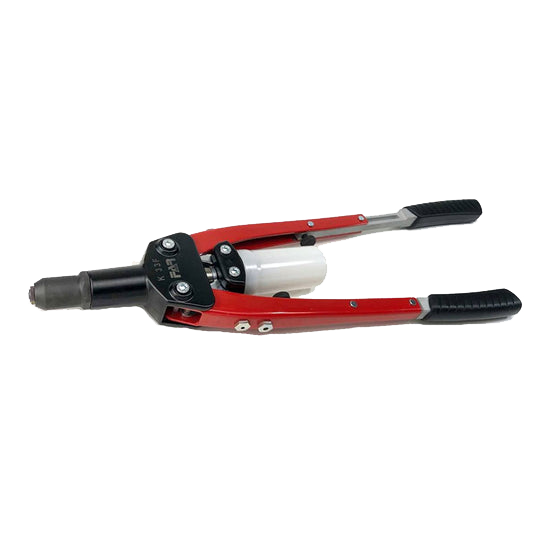


Using the correct tool is not only about installation speed. It also helps the rivet form correctly and achieve reliable stem retention.
Friction Retention vs Mechanical Locking in Shear and Vibration
The simplest way to describe the difference is that a standard multi-grip rivet holds the stem with a very tight compressed fit, while a high-strength locking rivet holds it with a captured mechanical fit.
If the retained stem remains engaged through the shear plane, it can help the rivet resist sideways load. With a friction-retained rivet, that contribution depends on the collapsed body continuing to hold the stem securely. With a mechanically locked rivet, the lock is designed to keep the stem positively retained in that load path.
This gives a genuine locking rivet more consistent behaviour in joints exposed to vibration, repeated flexing or fatigue, which is why it is often preferred for transport bodies, off-road trailers, machinery and other demanding applications.
Standard Multi-Grip vs Mechanical Lock

Can a Standard Multi-Grip Rivet Replace a High-Strength Locking Rivet?
For trims, cosmetic panels, light brackets, sheet-metal skins, enclosures and many general fabrication jobs, a quality standard multi-grip rivet is often more than adequate. It provides a broad grip range, a clean set and fast installation with commonly available tooling.
For heavily loaded joints, vibration-prone assemblies, fatigue-sensitive panels or transport work with specific structural requirements, a standard multi-grip rivet should not automatically be treated as a substitute for a mechanically locked high-strength rivet.
The two rivets may look almost identical from the outside, but the retained stem is not doing the same job inside the joint.
Which Rivet Should You Use?
Choose a Standard Multi-Grip Rivet For:
- general sheet-metal work
- toolbox and canopy skins
- caravan interiors and fitouts
- HVAC and ducting
- trims and access panels
- aluminium enclosures
- light brackets
- mixed-thickness repair work
These are jobs where grip flexibility, clean blind-side clamping and quick installation are the main priorities.
Choose a High-Strength Locking Rivet For:
- trailers and ute trays
- truck and transport bodies
- machinery guards
- agricultural equipment
- off-road and corrugated-road applications
- marine and industrial brackets
- heavily loaded or vibrating panels
- fabrication requiring a documented mechanical stem lock
These are the applications where secure mandrel retention and more consistent performance under load and vibration justify the heavier installation requirements.
Quick Comparison
| Feature | Standard Multi-Grip Rivet | High-Strength Locking Rivet |
|---|---|---|
| Stem retention | Friction and body compression | Positive mechanical lock |
| Stem in shear plane | May not be guaranteed | Designed to remain positively retained |
| Vibration resistance | Suitable for many light-to-moderate applications | Better suited to demanding vibration-prone joints |
| Installation tool | Standard blind rivet tool in many cases | Structural-capacity tool generally required |
| Grip range | Broad and forgiving | Varies by product design |
| Typical applications | Panels, trims, enclosures and general sheet-metal work | Trailers, machinery, transport and heavily loaded joints |
Exact grip ranges, tool requirements, shear loads and tensile loads vary by rivet diameter, material and manufacturer. Check the published data for the exact part number before specifying a fastener for a critical joint.
Mandrel Retention Is the Real Difference
A standard multi-grip rivet usually retains its stem through friction and compression from the collapsed body.
A high-strength locking rivet positively captures its stem with a mechanical feature formed during installation and is designed to keep that stem retained in the shear plane.
For general fabrication, panels and variable-thickness sheet-metal work, a standard multi-grip rivet is often the practical choice. For higher loads, ongoing vibration or applications requiring documented stem retention, use a genuine mechanically locked rivet such as Allok® or one of our High Strength Rivets.
Not sure which rivet suits your job? Send us the materials being joined, combined thickness, rivet diameter or hole size, and a brief description of the application. We can help narrow down the suitable fastener and installation tool.
 (60+)
(60+)